1.5-Inch Distressed Leather Belt: Retro Fit, Care & Style
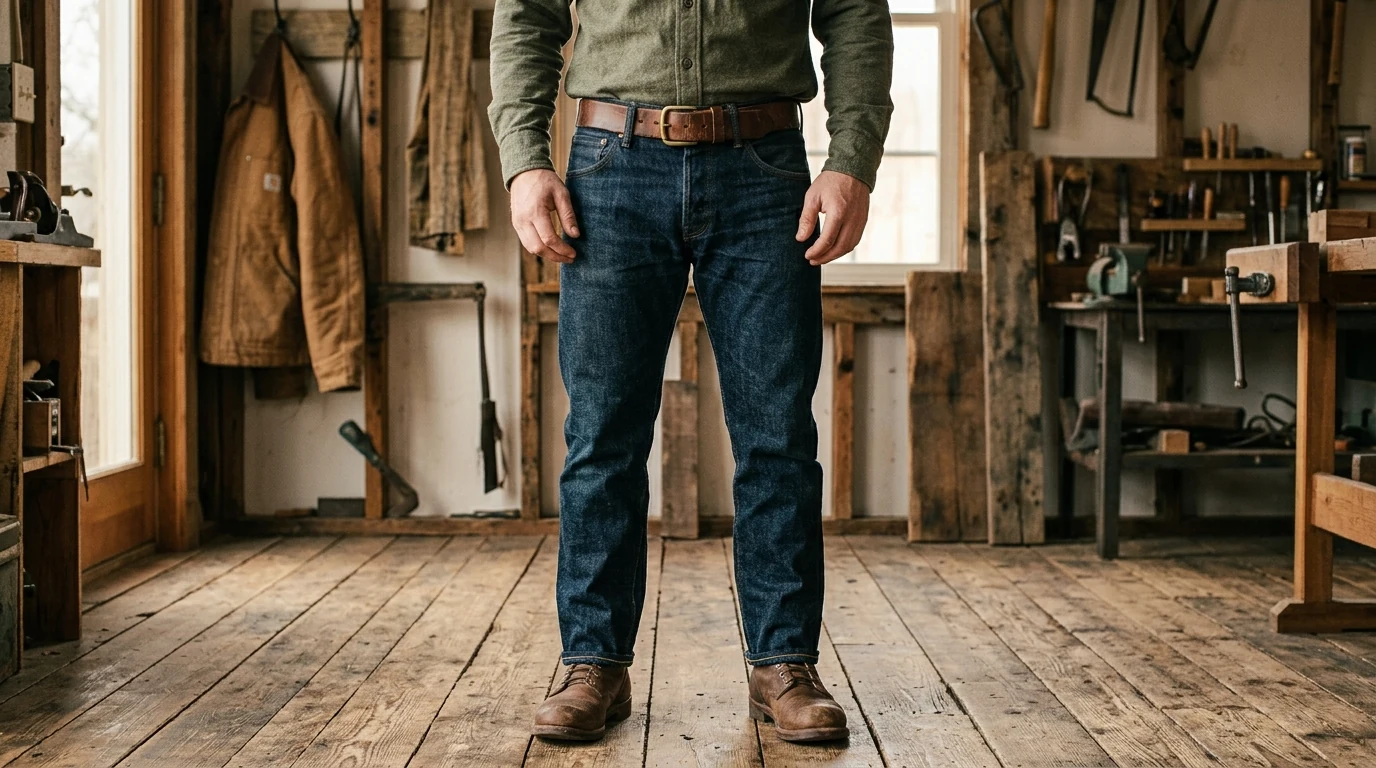
A 1.5-inch leather belt hits the sweet spot for everyday jeans and workwear, and a distressed finish adds instant character. This American retro–inspired belt is built to look better with age, pairing a broken-in vibe with a sturdy, practical width that suits most belt loops. If you’re replacing a stretched-out belt or upgrading from a flimsy strap, a wider, distressed leather option delivers structure, comfort, and a lived-in look that gets more personal over time.
What makes the American retro look work
American retro style leans on heritage materials and simple, functional design—pieces that look at home with denim, flannel, and boots. A distressed leather belt fits right into that world because it doesn’t look “brand new” or overly polished.
- Distressed leather finish creates a worn-in patina effect that complements denim, boots, and heritage-style layers.
- A 1.5-inch width reads classic and substantial without looking oversized.
- Retro styling pairs well with casual outfits (jeans, flannels, chore jackets) and smart-casual looks (oxfords, dark denim, loafers).
The visual balance matters: the belt is noticeable, but not loud. It anchors an outfit the way a good pair of boots does—quietly, but with purpose.
Fit and sizing: getting the right length the first time
Comfort and longevity both start with correct sizing. A belt that’s too short forces you onto the last hole (extra strain near the buckle), while a belt that’s too long leaves a floppy tail that never looks clean.
- Measure a current belt from the fold (where the buckle meets the strap) to the hole you use most; match that measurement to the new belt’s size.
- If measuring waist size, start with pant size and add 1–2 inches as a general baseline, then confirm against the product’s size chart when available.
- A proper fit typically leaves the buckle on the middle hole, with a short, tidy tail.
| What to measure | How to measure | Target outcome |
|---|---|---|
| Current belt (best) | Fold-to-used-hole length | New belt fits on middle hole |
| Waist over pants | Tape around where belt sits | Choose belt close to that measurement |
| Belt tail length | After buckling, check excess strap | Enough tail to reach first keeper without a long overhang |
If you need a refresher on how belt sizing is commonly measured, this step-by-step guide is a helpful reference: How to measure for belt size (general fitting guidance).
How to wear a distressed leather belt without overdoing it
Distressed leather is meant to look authentic, not costume-y. The easiest way to keep it grounded is to pair it with materials that already have texture and depth.
- Match the belt’s rugged finish with equally textured pieces: raw or washed denim, canvas, suede, or waxed cotton.
- Coordinate leather tones rather than forcing exact matches; aim for the same “family” as boots or watch strap (warm brown with warm brown, etc.).
- Keep hardware consistent when possible (silver-tone buckle with silver watch case, for example) for a cohesive look.
- For cleaner outfits, let the belt be the single vintage accent and keep the rest streamlined.
A simple formula that works: dark denim + neutral tee or oxford + rugged belt + boots or loafers. The belt adds personality, while the rest stays sharp.
Everyday durability: what to expect from distressed leather
A distressed finish is practical because it’s forgiving. Instead of fighting every little scuff, the belt’s surface is designed to blend minor marks into the overall character.
- Distressing helps scuffs blend in; small marks often look intentional instead of “damaged.”
- Creasing around the most-used holes is normal over time—rotation and correct sizing reduce early wear.
- Avoid saturating leather; if it gets wet, air-dry away from heat sources to prevent cracking.
- Condition sparingly; over-conditioning can darken leather and soften structure.
The biggest durability win often comes from fit: when the buckle lands on the middle hole, the leather lays flatter, the holes stretch less, and the strap stays more uniform.
Care routine for a belt that ages well
For general do’s and don’ts on cleaning and conditioning, this leather-care overview is a solid reference: Leather care basics (conditioning and cleaning guidance).
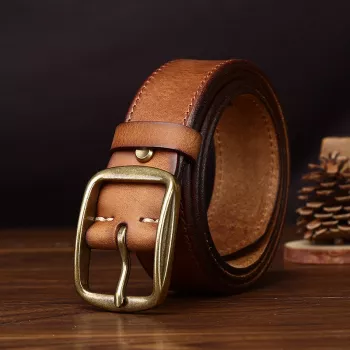
Product spotlight: Men’s 1.5 Inch Distressed Leather Belt
If you want that broken-in, American retro vibe with a practical everyday width, the Men’s 1.5 Inch Distressed Leather Belt – American Retro Style is designed to rotate easily through jeans-and-tee days, workwear layers, and casual nights out.
Easy outfit pairing tip: if your top half is simple, the belt can be the detail that adds texture. For a casual warm-weather option, pair your denim with a clean, sporty tank like the Nike Women’s Sleeveless Black Print Top with Round Neck for a relaxed, off-duty look.
If you’re building a small “daily essentials” refresh, a practical add-on that’s also in stock is the Korean 304 Stainless Steel Double Wall Mug 6oz—ideal for coffee breaks at work or travel days when you want something compact.
FAQ
Is a 1.5-inch belt considered standard for men’s jeans?
Yes. A 1.5-inch belt is one of the most common widths for men’s jeans and many casual pants because it fits typical belt loops while still looking substantial. Dress trousers often look better with narrower belts (around 1.25 inches).
How should a leather belt fit when buckled?
A good fit usually buckles on the middle hole, leaving enough tail to reach the first keeper without a long overhang. Avoid relying on the last hole, since that concentrates stress and can speed up stretching.
Will distressed leather look worse as it scuffs?
Usually the opposite—distressed leather is meant to disguise small scratches and blend everyday wear into the overall finish. Light cleaning and occasional conditioning help it keep a consistent, intentional look as it ages.











Leave a comment