Modern Nordic Ceiling Lamp: Layered Luxury Lighting Tips
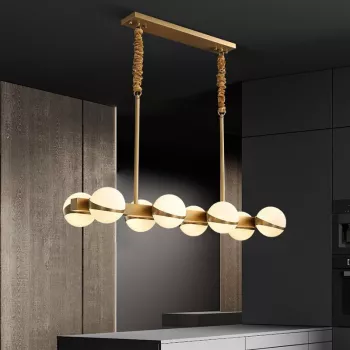
Modern Nordic Ceiling Lamp for Refined, Layered Lighting
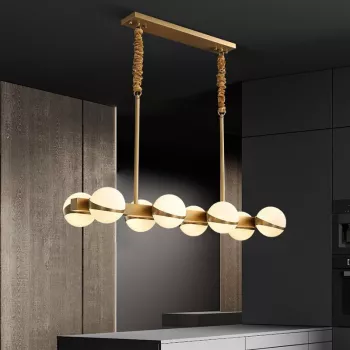
A modern Nordic ceiling lamp can anchor a room with clean lines, soft diffusion, and a calm, upscale feel. The look is intentionally restrained—more about proportion, glow, and material honesty than ornate detailing—so it fits seamlessly into Scandinavian, modern, Japandi, and contemporary homes. Below is a practical guide to where this style works best (living room, dining room, kitchen), how to size and place it, and how to build layered lighting that feels both luxurious and livable. For more guidance, see Nordic Glass Ball LED Pendant Light – Modern Chandelier For ….
What Makes Nordic Ceiling Lighting Feel Luxurious
“Luxury” in Nordic lighting is less about flash and more about comfort and cohesion. The best fixtures create a flattering ambient wash, look intentional from every angle, and support everyday routines without visual clutter. For further reading, see K9 Crystal Pendant Light, Height Adjustable, For Kitchen Island ….
- Minimal silhouettes: Simple shapes let material quality and proportions do the heavy lifting—no fuss, no over-decoration.
- Soft, glare-controlled light: Diffusers, opal glass, or carefully shielded sources reduce harsh hotspots and make rooms more inviting.
- Balanced geometry: Clean circles, gentle arcs, and symmetrical lines complement modern and Scandinavian furniture profiles.
- A “quiet statement” effect: Present enough to feel designed, subtle enough to let art, textiles, and architecture stay in focus.
For lighting fundamentals like ambient vs. task vs. accent layers, the American Lighting Association’s lighting basics is a helpful reference point.
Best Rooms and Placements
Nordic ceiling lighting performs best when it’s used to define a zone and set the room’s “base layer” of illumination. Placement is about what you want the light to do—gather people, soften edges, or make everyday tasks comfortable.
- Living room: Center the fixture over the main seating zone or coffee table to visually define the gathering area.
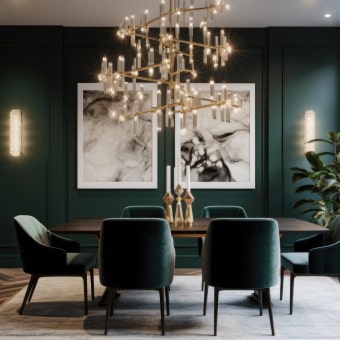
- Dining room: Align the lamp with the dining table’s centerline; the fixture should feel proportionate to the tabletop.
- Kitchen: Use as a primary ceiling fixture in smaller kitchens or as a complementary ambient layer alongside task lighting.
- Open-plan spaces: Treat the lamp as a “zone marker” so living and dining areas feel intentional rather than blended together.
Sizing, Hanging Height, and Spacing Basics
Good Nordic lighting looks effortless, but it’s usually the result of careful scale and clearance. The goal is an even spread of light and a fixture that looks like it belongs—never like an afterthought.
- Choose the right diameter/width: Match the fixture’s size to the room and the furniture beneath it; too small can feel visually lost.
- Maintain comfortable clearance: Avoid placing the light so low that it creates a harsh hotspot directly below (or feels intrusive).
- Dining sightlines matter: Keep it low enough for intimacy, high enough for clear conversation across the table.
- Lower ceilings: Favor close-to-ceiling profiles to preserve openness and prevent the room from feeling compressed.
- Kitchens need shadow control: Avoid positions that throw shadows over key prep areas; pair with task lighting where needed.
Quick Placement Guide (Typical Ranges)
| Location | Goal | Practical guideline |
|---|---|---|
| Dining table | Comfortable glow, clear sightlines | Hang so the bottom of the fixture typically sits ~30–36 in above the tabletop (adjust for fixture size and ceiling height) |
| Living room seating area | Even ambient light without glare | Center over the seating/coffee table zone; for low ceilings, keep a close-to-ceiling profile |
| Kitchen (general lighting) | Bright, even coverage | Place centrally or over the main circulation zone; supplement with under-cabinet/task lighting to prevent shadows |
| Open-plan space | Define zones visually | Use one fixture per zone or coordinate fixtures with consistent finishes to unify the space |
Light Quality: Brightness, Color Temperature, and Comfort
Nordic-style lighting should feel good first—especially in living and dining areas where people linger. A beautiful fixture can still fall flat if the light is too harsh, too cool, or not dimmable.
For efficiency and long-term value, LED guidance from ENERGY STAR and the U.S. Department of Energy can help you compare bulb types, brightness, and expected lifespans.
Materials, Finish, and Style Pairings
Installation and Safety Considerations
Featured Options for a Layered, Nordic Look
- Modern Nordic Ceiling Lamp – Luxury Lighting for Living Room, Dining Room & Kitchen: Designed to read as a statement ceiling light while keeping a calm, modern profile—ideal for living rooms, dining rooms, or kitchens depending on layout and ceiling height.
- Wabi-Sabi Copper Marble Wall Lamp – Zen Style Lighting for Bedroom & Corridor: A complementary wall option that adds soft accent light for hallways, reading corners, or bedroom ambiance—great for creating that layered “high-end hotel” depth at home.
FAQ
How high should a ceiling lamp hang over a dining table?
A common guideline is to hang the fixture so its bottom sits about 30–36 inches above the tabletop. Adjust up for higher ceilings or taller fixtures, and down slightly if you want a more intimate pool of light—while keeping sightlines comfortable. A dimmer helps fine-tune brightness at different times of day.
What light color looks best for a Nordic-style living room?
Warm to neutral white light (often around 2700K–3000K) typically looks best because it feels relaxed and flattering while still looking crisp. Pair it with dimming and layered lamps to keep the space cozy in the evening without harsh glare.
Can one ceiling lamp light an open-plan living and dining area?
One ceiling lamp usually won’t cover both zones evenly, especially if the space is large or furniture layouts create separate “rooms.” For balance, use one fixture per zone or combine a central ceiling light with floor/table lamps and wall lighting to avoid dark corners.









Leave a comment