Polished Black Leather Shoes for Work-to-Weekend Wear
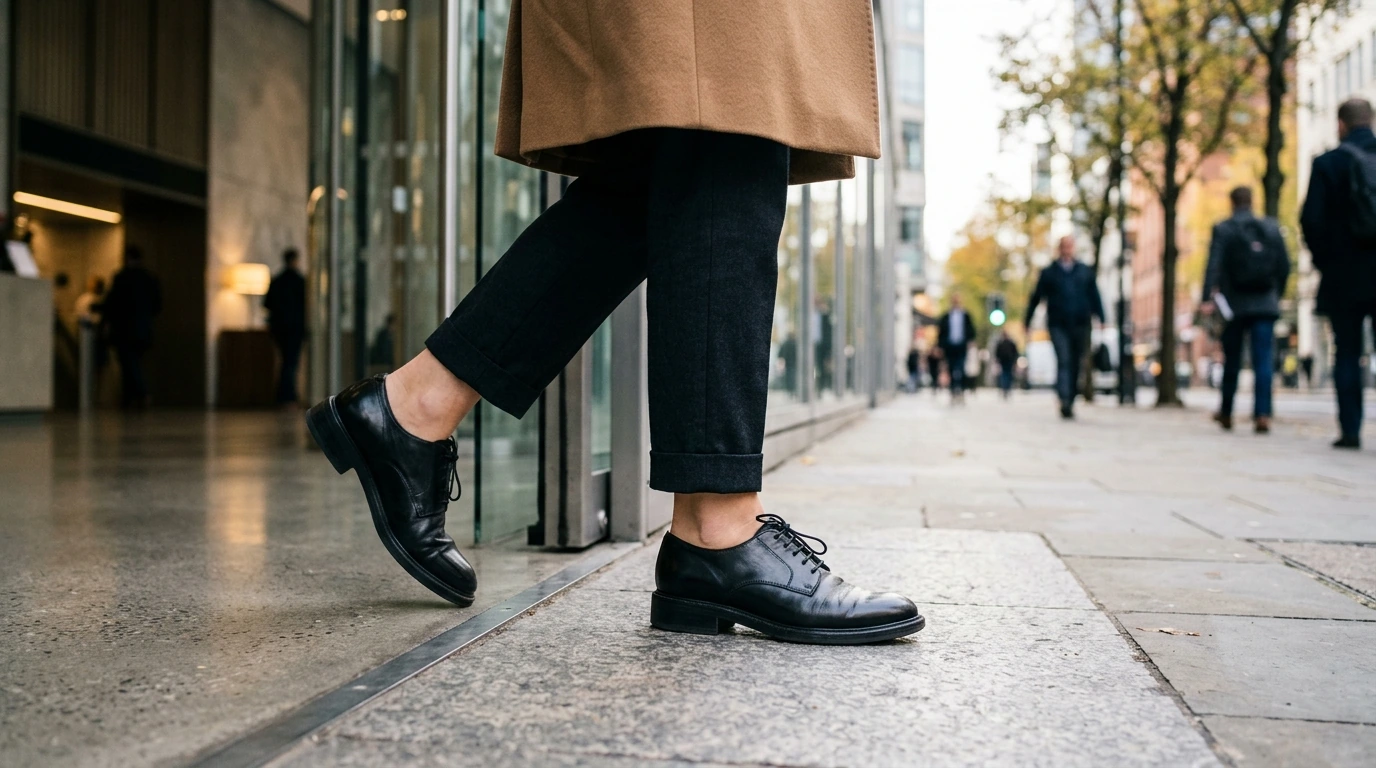
Polished Black Leather Shoes That Work Hard in a Weekly Rotation
A polished black leather shoe can anchor work looks, sharpen casual outfits, and hold up to frequent wear—if the materials and construction are right. Cult Women’s Black Leather Shoes are designed for a clean, versatile silhouette with the durability and comfort expected from leather footwear, making them a practical choice for day-to-day rotation.
Black leather has a unique advantage: it reads intentional in almost any setting. When the finish is smooth and the shape is streamlined, the same pair can move from desk days to dinner plans without looking overdressed or too relaxed. The key is choosing a pair that feels stable underfoot, allows enough room where your feet naturally expand, and is cared for like the investment material it is.
What Makes These Leather Shoes Stand Out
- Black leather finish suited to office outfits, denim, and monochrome styling: a sleek black shoe is an easy “final step” that pulls an outfit together.
- Leather uppers help balance structure with long-term wear potential: leather typically becomes more flexible over time, adapting to your foot shape with consistent use.
- A streamlined shape that pairs easily with trousers, skirts, and dresses: a clean profile keeps outfits looking modern and uncluttered.
- A smart option for building a minimal capsule wardrobe around neutral footwear: black leather reduces the need for constant shoe swapping across outfits.
For general guidance on picking supportive, comfortable footwear, the American Podiatric Medical Association (APMA) offers foot health resources that can help you think through fit, function, and everyday wear considerations.
Quick Product Snapshot
If you’re comparing options quickly, here are the essential details for the pair featured on this page.
| Detail | Info |
|---|---|
| Product | Cult Women’s Black Leather Shoes |
| Price | $104.51 USD |
| Availability | In stock |
| Primary material | Leather (upper) |
| Color | Black |
Shop Cult Women’s Black Leather Shoes when you want a refined black option built for repeat wear.
Fit and Comfort Notes to Check Before Buying
- Measure foot length in the evening: feet can swell slightly later in the day, so evening measurements often reflect real-life sizing more accurately.
- Consider sock thickness: thin socks create a closer fit, while thicker socks may need a touch more space—especially across the forefoot.
- If between sizes, prioritize toe room: adequate wiggle space helps reduce pressure, rubbing, and “hot spots” on longer walks.
- Expect a break-in period: leather typically relaxes with wear, especially around the vamp and heel; the goal is a secure fit that doesn’t pinch right out of the box.
Comfort isn’t only about softness—stability matters too. A secure heel, a natural toe bend, and enough room across the ball of the foot can make the difference between shoes you reach for weekly and shoes you avoid.
How to Style Black Leather Shoes Year-Round
Black leather is a wardrobe workhorse, but styling gets even easier when you repeat a few go-to formulas that always look pulled together.
- Workwear: tailored trousers, a crisp button-down, and a structured bag for a clean, professional finish.
- Smart casual: straight-leg jeans plus a blazer; keep jewelry and hardware minimal to stay refined rather than flashy.
- Dresses and skirts: pair with opaque tights in cooler seasons for a seamless silhouette that looks intentional (and helps with warmth).
- Travel and city days: lean on neutral layers—black, gray, and cream—to keep the outfit cohesive while walking more.
Easy Outfit Pairings From the Same Store
If you like keeping a streamlined black-and-neutral palette, these in-stock picks pair naturally with black leather footwear:
- Nike Women’s Sleeveless Black Print Top with Round Neck for an athletic-meets-polished base layer under a blazer or cardigan.
- Korean 304 Stainless Steel Double Wall Mug 6oz for commuting days when you want something compact to stash in a bag.
Leather Care and Maintenance for Longer Wear
- Wipe down after wear: use a soft, dry cloth to remove dust and street grit before it dulls the finish.
- Condition periodically: conditioning helps reduce drying and surface cracking; spot-test any product first and use a light hand.
- Maintain shape between wears: a shoe tree (or clean paper stuffing) helps prevent creasing and keeps the toe box looking sharper.
- Avoid prolonged soaking: if wet, dry at room temperature away from direct heat to help prevent warping or stiffness.
- Rotate when possible: giving shoes a rest day helps moisture evaporate, which supports comfort and longevity.
Leather quality and sourcing can vary across the industry; the Leather Working Group (LWG) provides information on standards and responsible practices. For general product labeling guidance, the FTC is a helpful reference point.
When These Shoes Are a Good Choice (and When to Consider Alternatives)
- A good match for: building a reliable black shoe for repeat outfits, work-to-weekend versatility, and polished everyday dressing.
- Consider alternatives if: you need specialty features such as extra-wide sizing, specific orthopedic support, or heavy-duty weatherproof footwear for harsh conditions.
- For high-rain or snow climates: consider adding a protective spray and prioritizing traction features as needed, especially if sidewalks and entryways get slick.
FAQ
How should leather shoes fit at first?
Aim for a snug but not tight feel, with enough toe room to wiggle. Leather may relax slightly with wear, but the shoe shouldn’t pinch or cause significant heel slippage from the start.
How do leather shoes get broken in without discomfort?
Wear them indoors for short periods and use the socks you’ll typically wear outside. Gradually increase wear time over a few days, and avoid long walks until the leather starts to flex naturally.
How often should leather shoes be conditioned?
It depends on how frequently you wear them and how dry your climate is. Light, periodic conditioning helps maintain flexibility, while over-conditioning can make leather too soft or attract dirt.












Leave a comment